Video data has long been central to security and monitoring. In 2026, and beyond, it will become something far more consequential: a core intelligence layer for real-world operations.
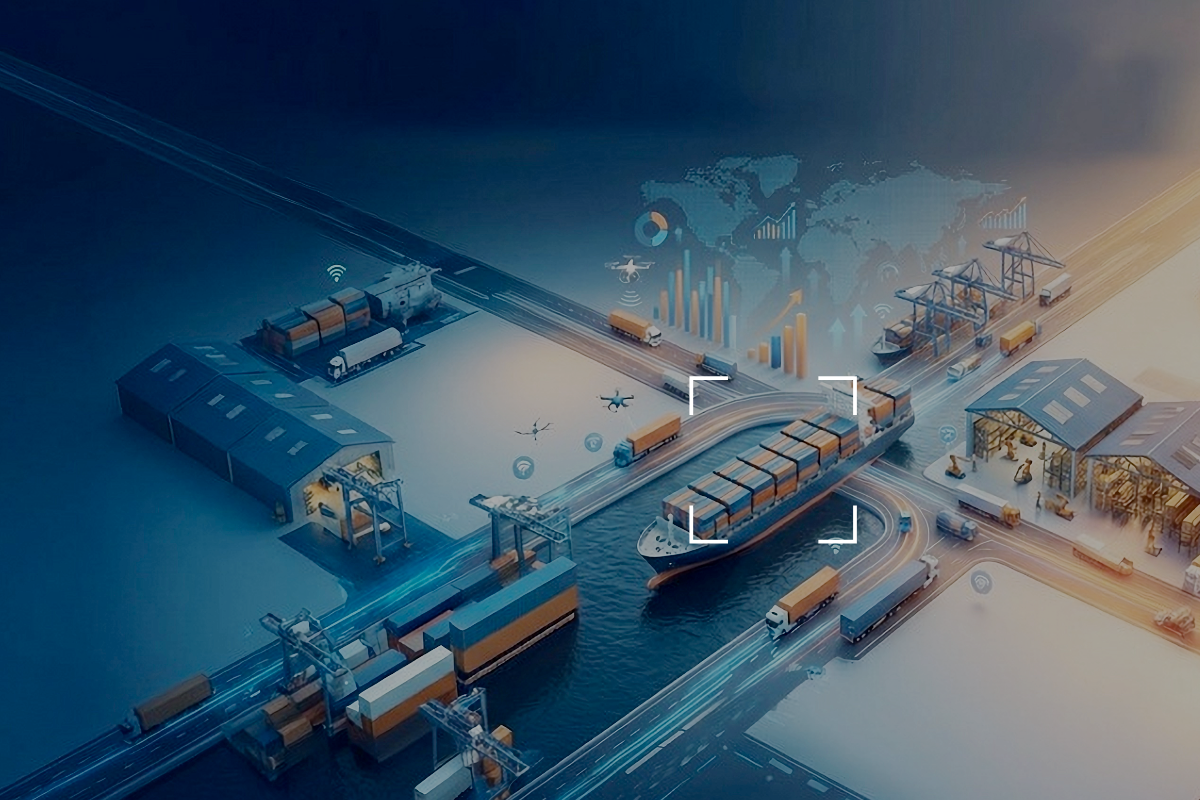
Across smart cities, transportation networks, industrial facilities, and large enterprises, video data is becoming a core intelligence layer; one that understands context, connects data across systems, and enables faster, more informed decisions.
This evolution reflects a broader shift we see across deployments worldwide, from fragmented video systems to unified, AI-driven video intelligence platforms. Here are the key trends shaping this transformation in 2026, and how they redefine what modern video intelligence must deliver.
Traditional video systems operate in silos, each site functioning independently. In 2026, this model will no longer be viable. The future lies in semantic convergence, where video data from multiple cameras and systems is connected, correlated, and understood collectively. AI agents will analyse relationships between events, locations, behaviours, and timelines; turning raw video data into actionable business intelligence.
For large-scale deployments, this means:
In current times, Incident detection alone is no longer intelligence. While detection is a necessary first step, it is no longer sufficient for the complexity and scale of real-world operations.
In 2026, and beyond, intelligence will be defined by understanding context, interpreting intent, and enabling decisions. Modern, complex infrastructure demands AI video systems that understand context, distinguishing genuine threats from routine activity, and prioritising incidents based on real risks. Multimodal AI models analyse behaviour, environment, and historical patterns to deliver meaningful insights rather than excessive alerts.
The impact is significant:
This shift from basic analytics to contextual intelligence is essential for environments such as transportation hubs, industrial facilities, and urban infrastructure, where scale and complexity demand precision.
By 2026, AI and machine learning are the core foundation on which modern video intelligence platforms are built.
Advanced AI-driven capabilities such as behavioural analytics, anomaly detection, and semantic search redefine how operators interact with video data. Instead of manually reviewing footage, users can search and investigate using natural language, quickly locating critical events across vast video repositories.
This evolution reshapes video intelligence in three critical ways:
The result is a system that enhances human decision-making rather than replacing it.
Cloud-hosted VSaaS platforms are steadily replacing upfront, hardware-heavy deployments, shifting security and surveillance investments from capital expenditure to predictable, subscription-based operating models. This transition lowers entry barriers, accelerates deployment, and enables organisations to adopt advanced video intelligence without large infrastructure overhauls.
Beyond cost structure, VSaaS introduces a new operating paradigm:
As video intelligence becomes more strategic, VSaaS enables organisations to focus less on infrastructure ownership and more on outcomes, insights, and performance. In 2026, the value of video platforms will be measured not by hardware deployed, but by intelligence delivered—on demand and at scale.
By 2026, video intelligence will be deeply embedded within IoT-driven environments, powered by high-speed, low-latency 5G connectivity.
This convergence enables real-time insights across distributed and mobile environments, whether it’s traffic management, industrial safety, or critical infrastructure monitoring. Video Intelligence becomes a trigger, a verifier, and a decision-support layer within larger operational workflows.
For organisations, this means:
As video data volumes grow and privacy concerns intensify, edge AI becomes central to system design.
Processing video data closer to the source reduces latency, lowers bandwidth usage, and strengthens data privacy. By 2026, edge-first intelligence will be essential for real-time decision-making, especially in high-density or distributed environments.
At the same time, edge intelligence works best as part of a hybrid intelligence framework, where insights flow seamlessly between edge, on-premise, and cloud systems. This balance delivers resilience, scalability, and long-term adaptability.
As video intelligence moves into 2026, the direction is clear. Organisations no longer require isolated surveillance tools, they need intelligent, end-to-end True AI visual ecosystem that can interpret context, converge data across systems, and scale reliably in complex, high-impact environments.
For smart cities, this means video systems that enhance public safety, efficient traffic management, and urban resilience through real-time, contextual insights.
For transportation ecosystems, airports, railways, highways, and metros—it means operational visibility, faster incident response, and seamless coordination across large, distributed networks.
For industrial and enterprise environments, it means safer workplaces, improved operational efficiency, and intelligence that integrates directly with core business systems.
These AI trends shaping the future, semantic convergence, contextual intelligence, edge AI, hybrid architectures, and deep integration with IoT, are not abstract ideas. They are practical requirements for organisations managing scale, complexity, and critical operations every day.
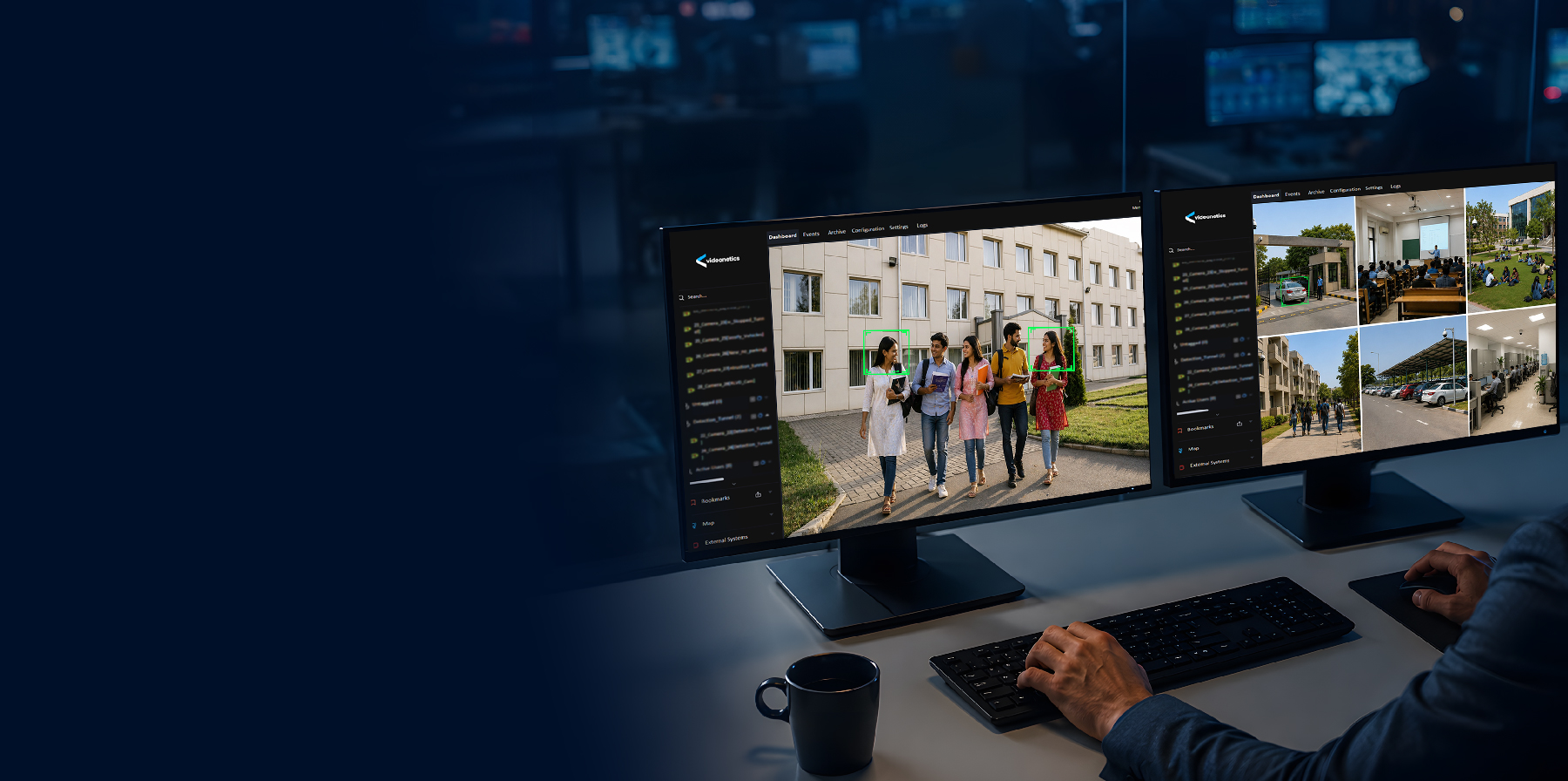
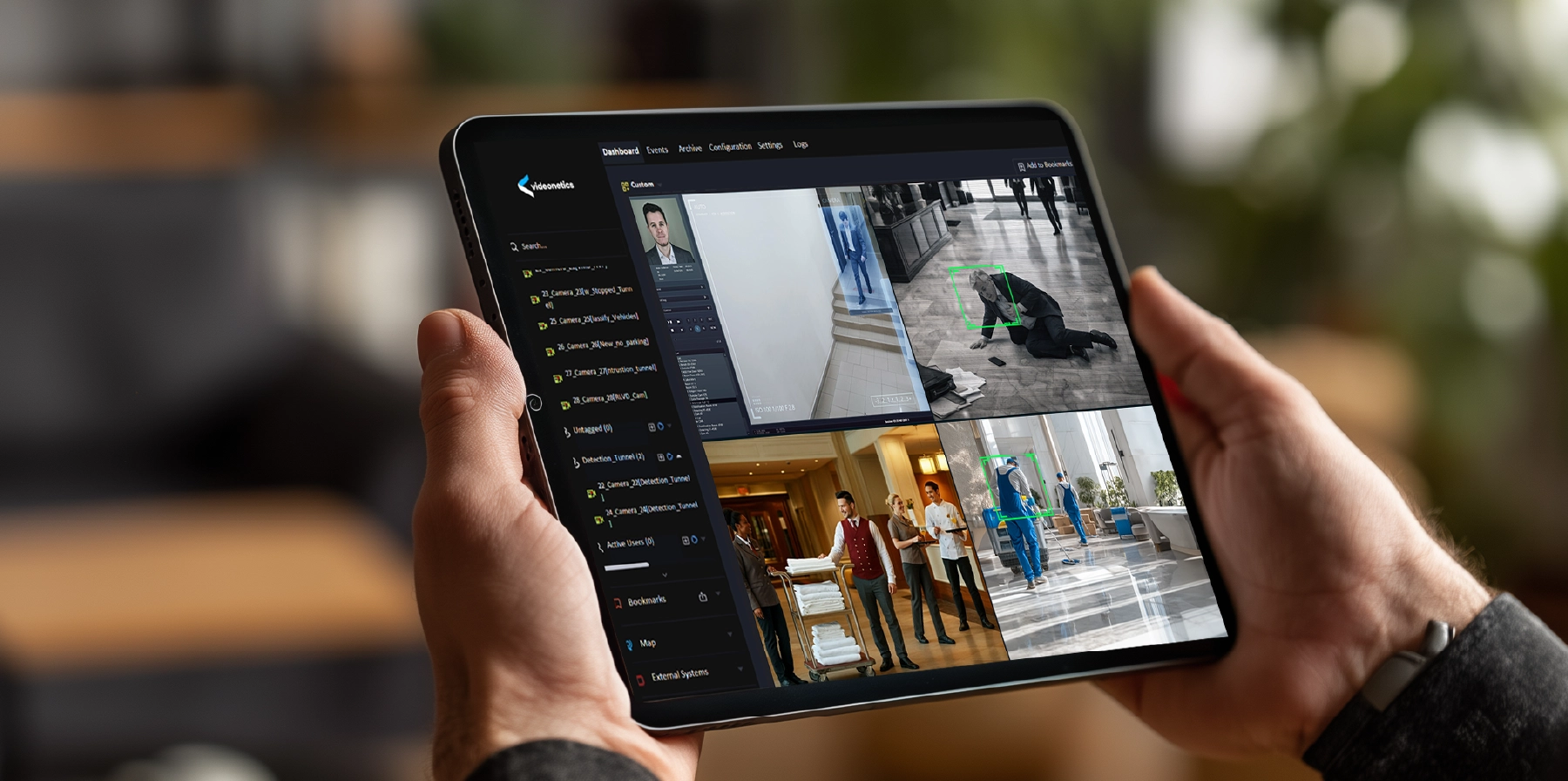
At Videonetics, these shifts affirm the philosophy that has long guided our True AI ecosystem: video intelligence must be platform-led, context-aware, and built to perform reliably at real-world scale. Our integrated portfolio spanning across Video Management Systems (VMS), Video Analytics (VA), Facial Recognition Systems (FRS), Traffic Management Systems (TMS), and VSaaS is designed to operate as a unified business intelligence layer.
As infrastructure becomes increasingly intelligent and interconnected, this platform-led approach places video intelligence at the core—enabling safer environments, operational efficiency, and long-term resilience across cities, industries, and enterprises.